
The Roman gold-mining heritage of the province of León will take centre stage in a new science communication project led by the University of León, aimed at bringing one of the most distinctive historical and landscape legacies of the northwestern Iberian Peninsula closer to the public.
Under the name AURVILLAGE, the initiative will combine research, science communication, and public participation to show how gold mining transformed the landscape of León two thousand years ago, leaving a lasting imprint that remains an integral part of the region’s landscape and identity today.
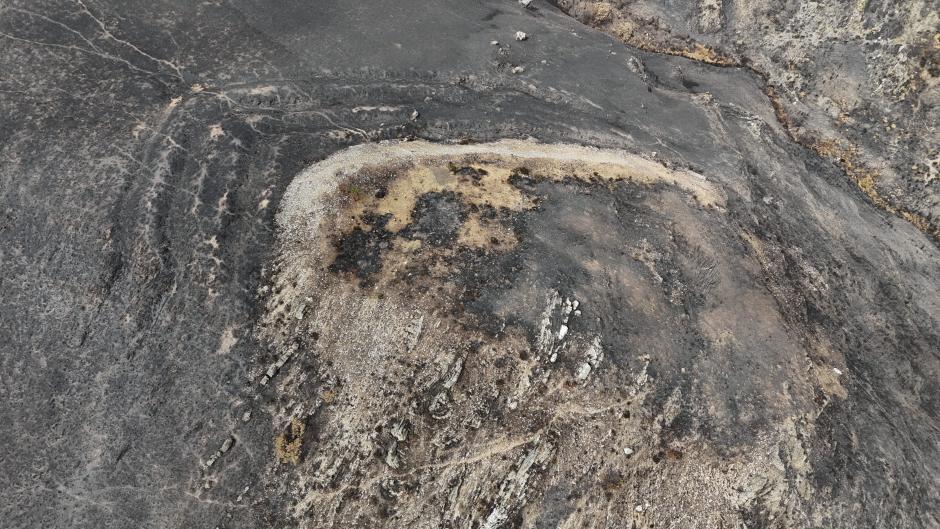
Figure 1. Roman mining camp at Molinaferrera | GEOINCA Research Group.
The project, developed by the GEOINCA Research Group at the University of León and funded by the Spanish Foundation for Science and Technology (FECYT), under the Ministry of Science, Innovation and Universities, will bring together an international and multidisciplinary team of geologists, archaeologists, physicists, engineers, and science communication specialists.
“Over the past few decades, an enormous body of scientific knowledge on Roman gold mining has been generated, but much of this information remains within academia. Our aim is to bring this knowledge to the wider public in a rigorous, accessible, and engaging way, so that anyone can understand how these mining operations worked and why they constitute such exceptional heritage,” explains University of León researcher Javier Fernández Lozano, who leads the project.
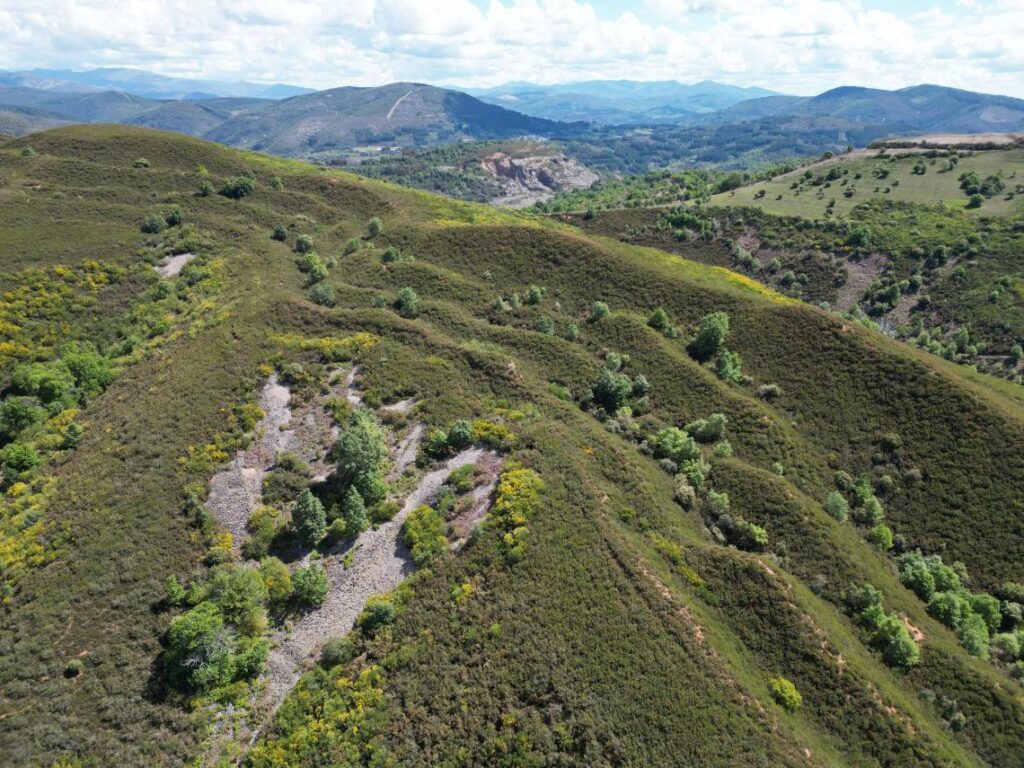
Figure 2. Mining sites in the Ancares region of León | GEOINCA Research Group.
A documentary exploring the Roman “gold rush”
AURVILLAGE’s main initiative will be the production of a major documentary exploring some of the most significant Roman gold-mining sites in the province of León, including both open-cast and underground workings.
Through on-location footage, reconstructions, scientific explanations, and interviews with specialists, the documentary will explore the geological origins of gold, the mining techniques employed by the Romans, and the close relationship between geology, engineering, and landscape transformation. It will also incorporate the perspectives of people living in the rural areas where these remains have been preserved, highlighting the cultural, social, and territorial significance that this heritage continues to hold today.
As Fernández Lozano explains, “We want to communicate complex scientific concepts in an accessible way, combining the rigour of research with stories, fascinating details, and images that help audiences understand the extraordinary scale of Roman mining and its impact on the landscape.”
An interactive guide and activities for everyone
In addition to the documentary, the project will develop an interactive audiovisual guide enabling users to explore virtually the main Roman gold-mining sites in the province of León. The platform will provide additional audiovisual content and will be freely available through the project website and the GEOINCA Research Group website.
Throughout the year-long project, the research team will also organise outreach activities in different municipalities across the province and in educational centres, with the aim of bringing this heritage closer to the public and encouraging younger generations to learn more about it.
For Fernández Lozano, “Understanding this heritage is the first step towards preserving it. Roman mining is part of the history, landscape, and identity of our region, and science communication is an essential tool for helping society appreciate its value and contribute to its protection.”
Through AURVILLAGE, the University of León reinforces its commitment to communicating scientific knowledge and enhancing the value of cultural and geological heritage of international significance. In doing so, the project will help make the results of decades of research accessible to wider society and contribute to preserving this heritage for future generations.